← All Fathers
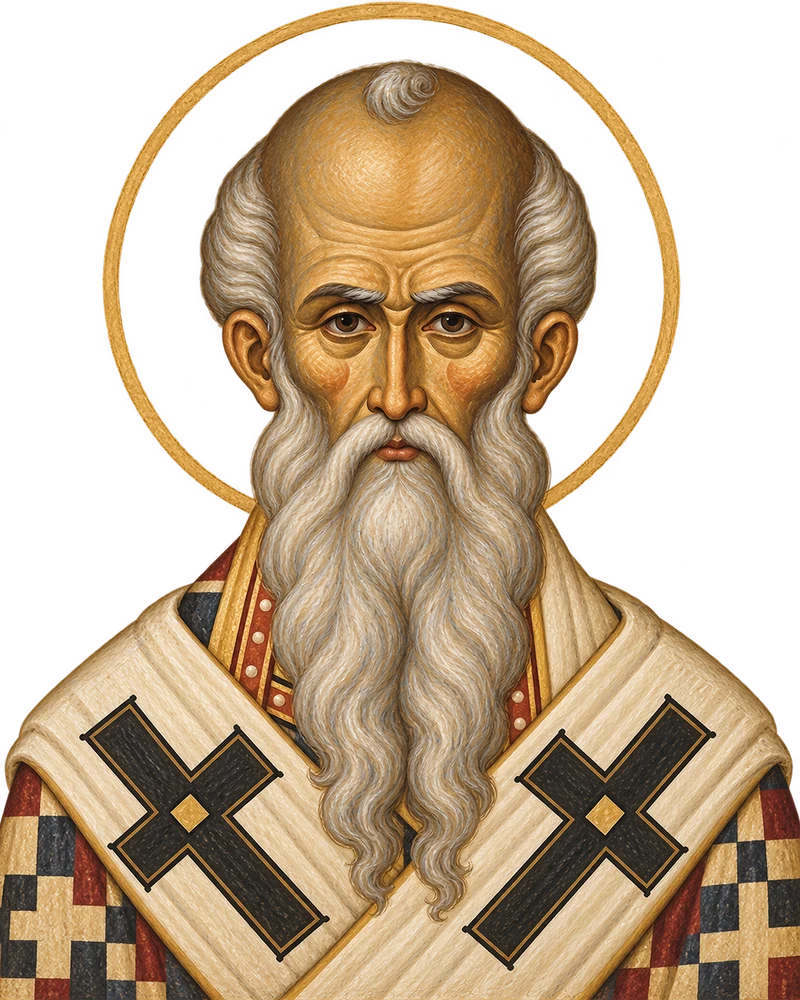
Modern Coptic-inspired portrait of Saint Gregory of Nazianzus

4th century

St Gregory of Nazianzus

Γρηγόριος ὁ Θεολόγος

Cappadocian bishop, poet, and master teacher of the Holy Trinity.

Dates
c. 329–390
Region
Cappadocia and Constantinople
Primary language
Greek
Feast
January 25
Library
1 writing · 1 related work

Life and significance

The theologian of the Holy Trinity

St Gregory the Theologian was born in Cappadocia and formed a close friendship with St Basil the Great during their studies. Drawn strongly to prayer and contemplation, Gregory nevertheless spent much of his life serving the Church amid difficult disputes. He became a leading voice for the Nicene faith and was called to Constantinople when its Orthodox community was small and under pressure. His preaching there helped restore Nicene teaching, and he briefly presided over the Council of Constantinople in 381 before resigning and returning to a quieter life.

Gregory’s sermons, letters, and poems combine theological precision with remarkable literary power. His Five Theological Orations explain the Church’s confession of the Trinity while repeatedly warning that God cannot be mastered by human concepts. He also defended the fullness of Christ’s humanity because what Christ has not assumed cannot be healed. The Orthodox Church gives Gregory the rare title “Theologian” and honors him among the Three Holy Hierarchs.

Biographical sources: Saint Gregory the Theologian, Archbishop of Constantinople · Orthodox Church in America

Writings

Works by or attributed to St Gregory of Nazianzus

Early Christian work ~2 hrs 23 min

The Five Theological Orations

St Gregory of Nazianzus

Five closely connected sermons in which St Gregory the Theologian teaches how Christians should speak about God and defends the Nicene confession of the Father, Son, and Holy Spirit. They remain a foundational Orthodox witness to the mystery of the Holy Trinity.

5 reading sections · Greek · Modern English

Install app

Voices of the Fathers

On iPhone or iPad, open your browser’s Share menu and choose Add to Home Screen. Voices of the Fathers will then open from its own icon like an app.