Life and significance
A father of the desert
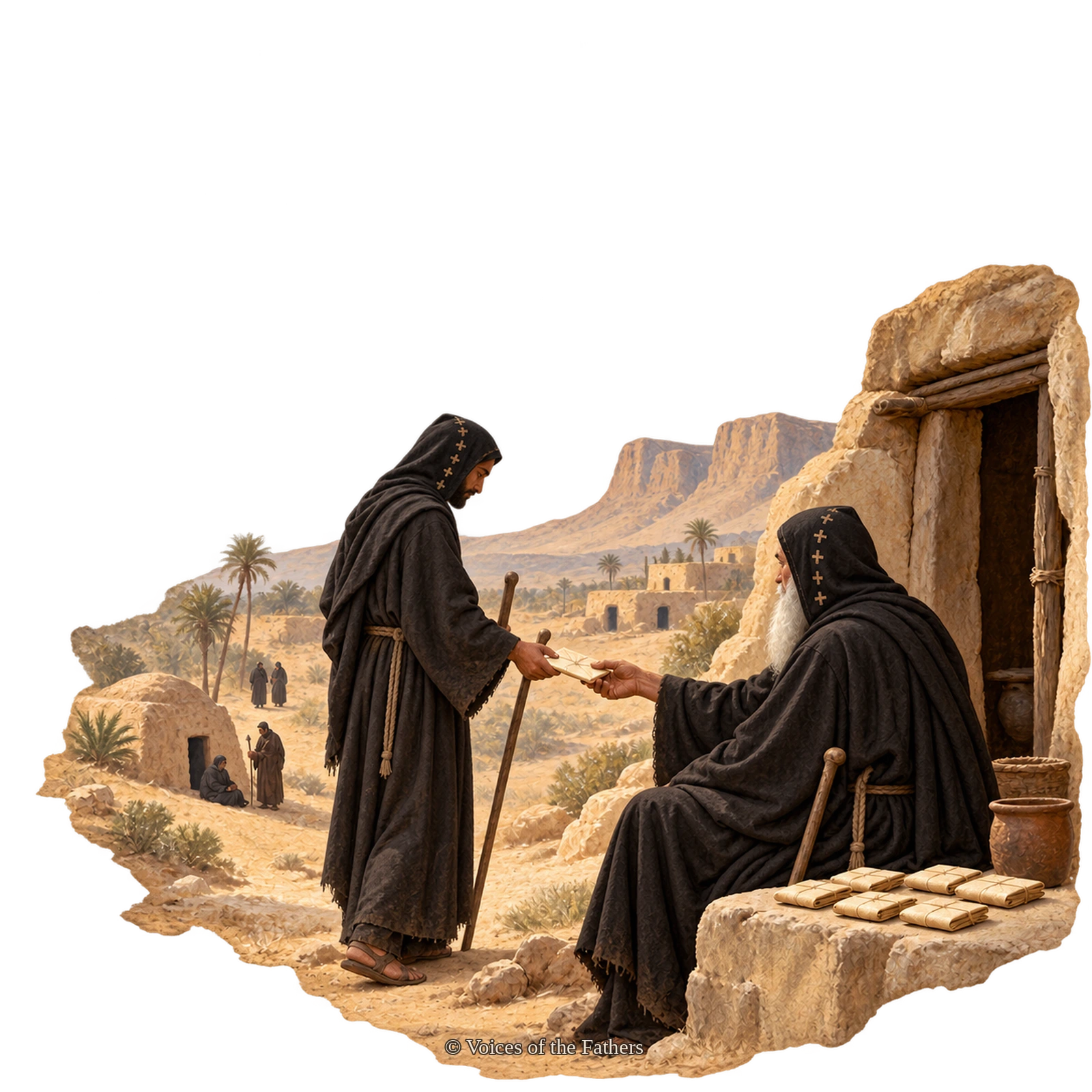
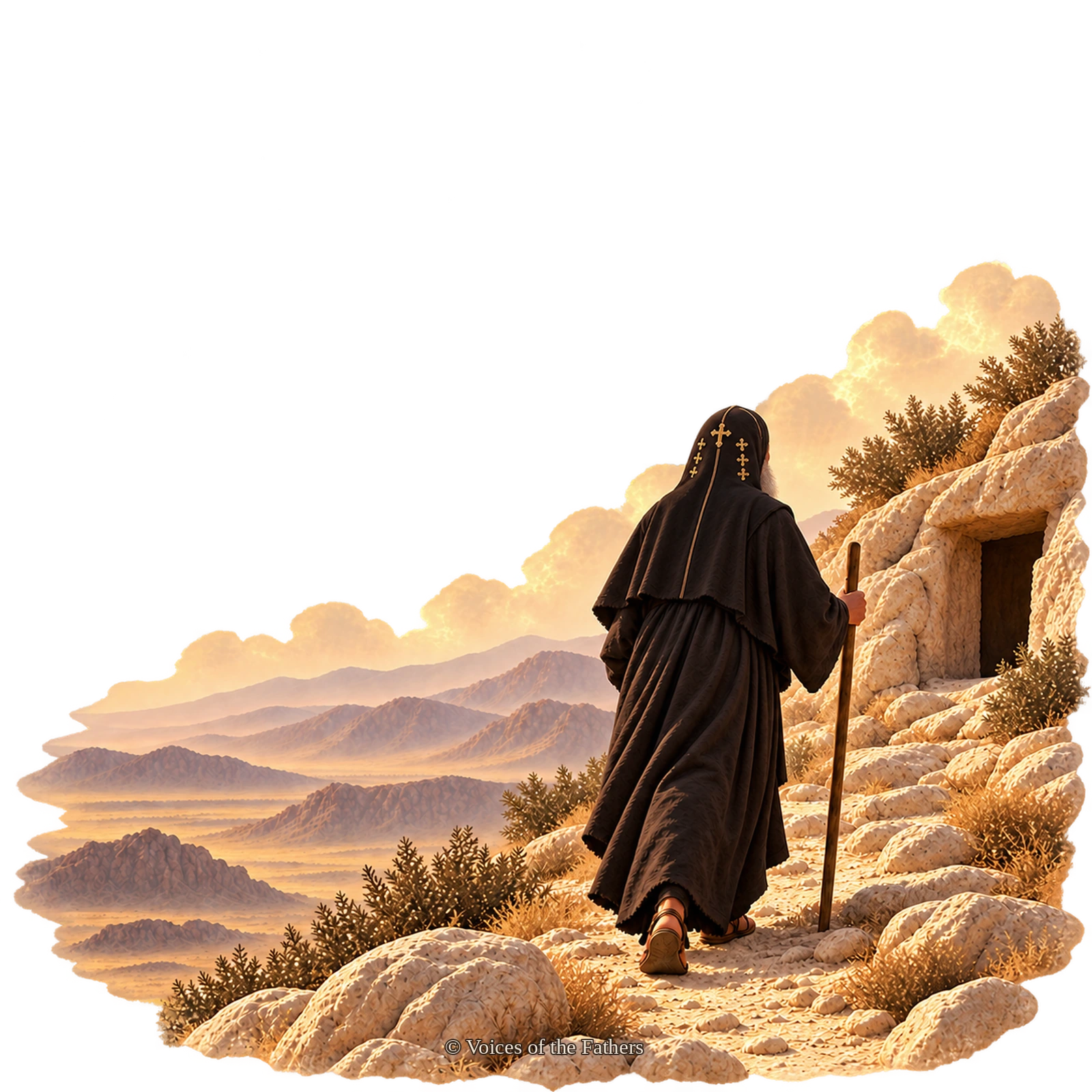
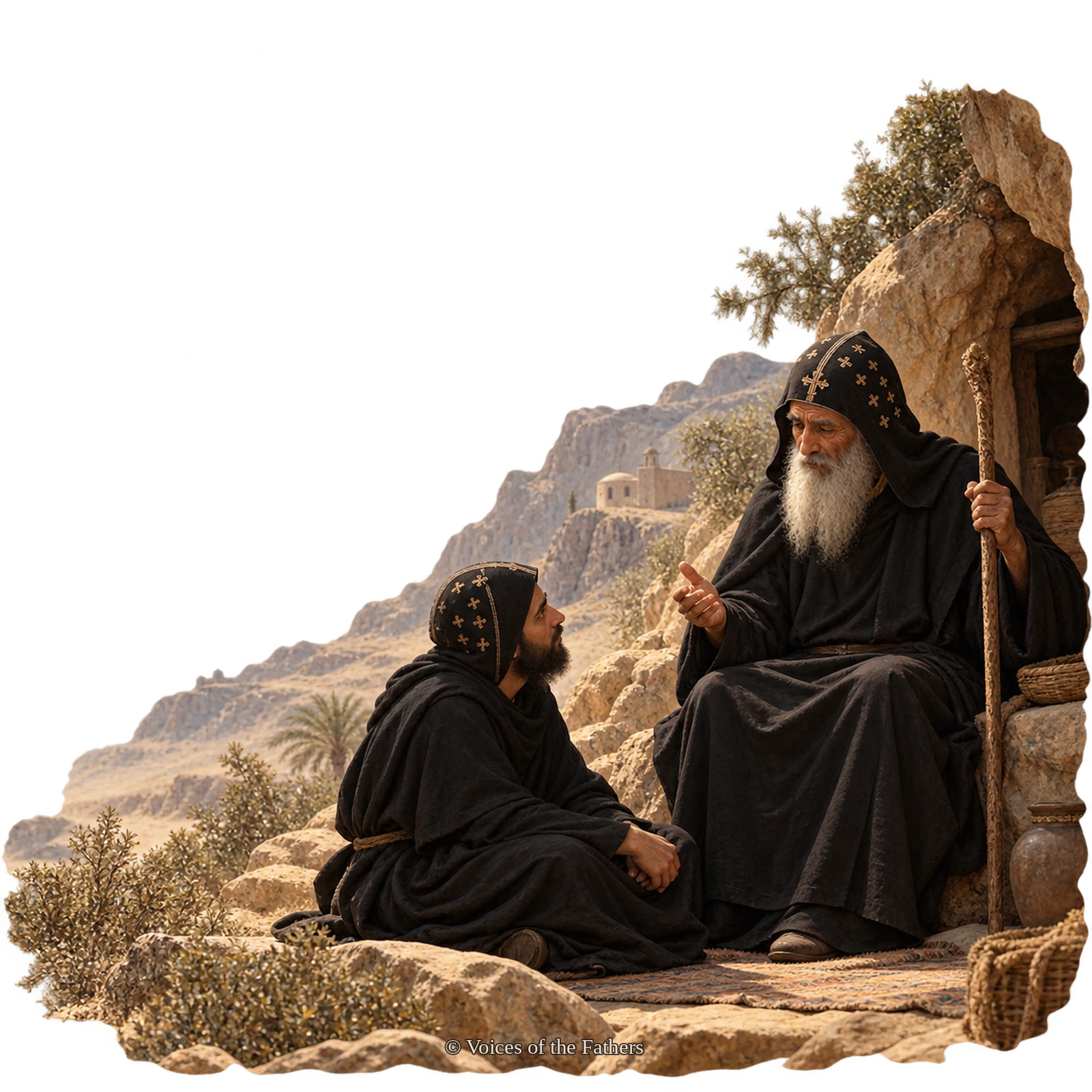
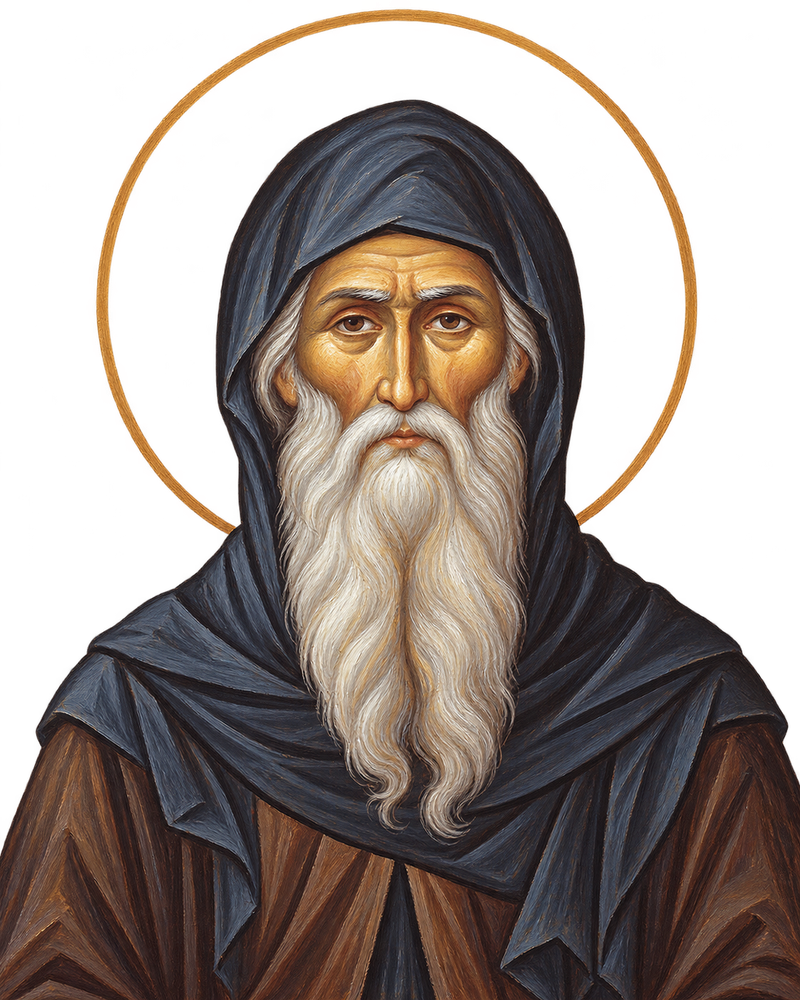
St Antony the Great was an Egyptian Christian monk of the third and fourth centuries and one of the foundational fathers of desert monasticism. According to St Athanasius’s Life of Antony, he was raised in a Christian household and, after the death of his parents, answered Christ’s command to sell his possessions and give to the poor. He entrusted his sister to a community of virgins, learned ascetic discipline from older Christians, and gradually withdrew farther into the desert. His life of prayer, fasting, solitude, and spiritual struggle drew many disciples and made him a spiritual father to monks throughout Egypt.
Antony’s teaching emphasized discernment, courage, humility, prayer, and confidence in Christ’s victory over evil. Athanasius also records him supporting persecuted Christians in Alexandria and later speaking against Arian teaching. Seven letters attributed to Antony are now widely accepted by scholars as authentic; they were probably composed in Coptic and preserve an important witness to his own teaching. Through these letters, sayings attached to his name, and especially Athanasius’s Life, St Antony’s example became influential throughout the Christian world. The Church honors him as the Father of Monks and a model of radical fidelity to the Gospel.