
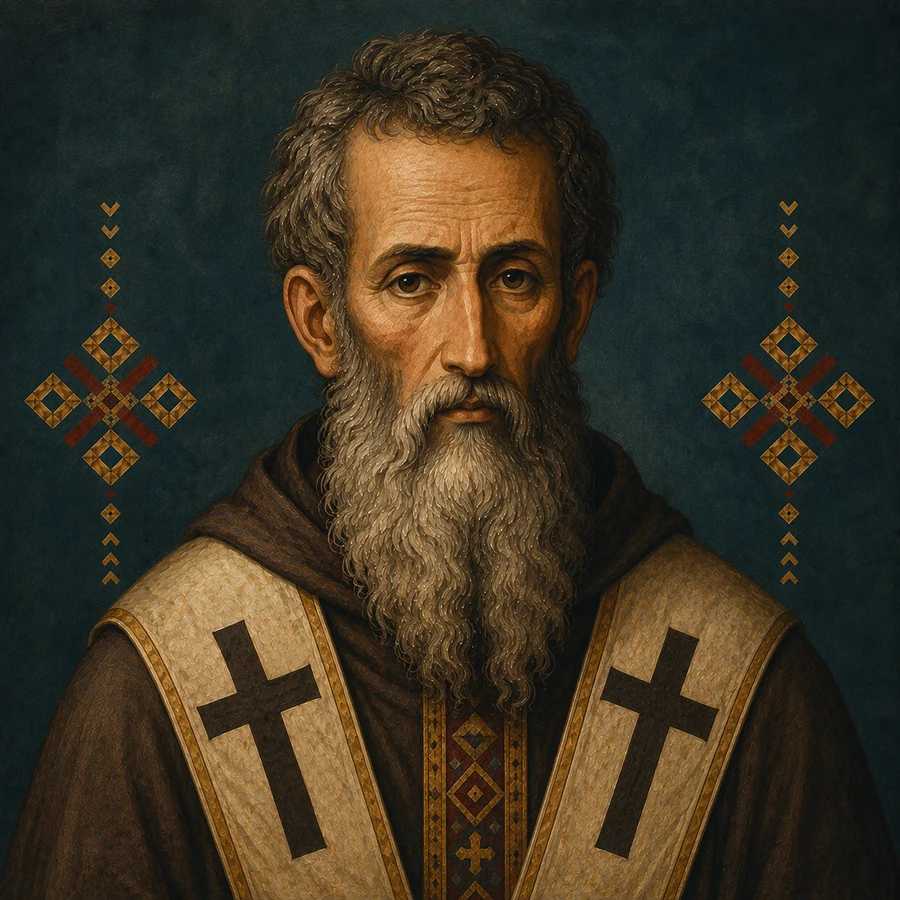
Life and significance
Confession through theology and suffering
Maximus left imperial service for the monastic life and became one of the most important theological voices of the seventh century. He opposed the teaching that Christ had only one will or activity, insisting that the incarnate Word possesses a complete human will and activity united without confusion to the divine.
His resistance brought imprisonment, trial, mutilation, and exile. His writings unite Christology, biblical interpretation, liturgical contemplation, ascetic practice, and the doctrine of deification, presenting the whole creation as called to communion with God in Christ.
Biography source:
Venerable Maximus the Confessor
· Orthodox Church in America